
 Send Inquiry
 08045803818

 Send Inquiry
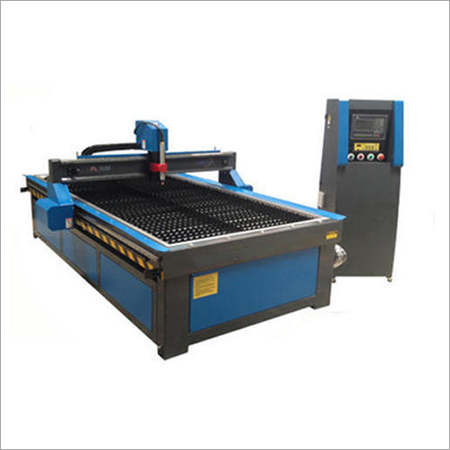
CNC Plasma Cutting Machine PL
Price 1100000.00 INR/ Unit
MOQ : 1 , , Unit
CNC Plasma Cutting Machine PL Specification
- Product Type
- CNC Plasma Cutting Machine PL
- General Use
- Sheet metal cutting, industrial fabrication
- Material
- Mild Steel, Stainless Steel, Aluminum, Copper
- Type
- Industrial CNC Plasma Cutter
- Capacity
- Up to 35 mm cutting thickness
- Weight (kg)
- 1100 kg
- Computerized
- Yes
- Automatic
- Fully Automatic
- PLC Control
- Available
- Bar Feeder
- Not Included
- Power Source
- Electric
- Power Consumption
- 7.0 kW
- Rigidity
- High
- Voltage
- 380 V / 415 V
- Motor
- Servo Motor
- Table Size
- 3000 x 1500 mm
- Spindle Speed
- Variable (Electronic Control)
- Axial Choice
- 2 Axis / 3 Axis
- Dimension (L*W*H)
- 4000 x 2200 x 1400 mm
- Feature
- High precision, stable operation, automatic cutting
- Color
- Blue & Grey
- Viewing Angle
- 178
- Remote Battery Type
- AAA
- Refresh Rate
- 60 Hz
- Smart TV Features
- Built-in WiFi, Screen Mirroring
- USB Ports
- 2
- Operating System
- Android
- Sleep Timer
- Yes
CNC Plasma Cutting Machine PL Trade Information
- Minimum Order Quantity
- 1 , , Unit
- Supply Ability
- 10 Units Per Month
- Delivery Time
- 1 Months
About CNC Plasma Cutting Machine PL
Product details
|
Cutting Method |
Plasma |
|
Condition |
New |
|
Brand |
Mehta |
|
Automatic Grade |
Automatic |
Technical Specification
|
Models |
PL 1325 - 65A |
PL 1325 - 100A |
|
Processing Materials |
Iron, Stainless steel plate, Aluminum, Galvanized sheet, Titanium plate, M.S. plate |
|
|
Plasma Source |
CutFire 65i |
CutFire 100i |
|
Drive system |
X, Y axis - Rack and Pinion, Z axis - Ball screw |
|
|
Control System |
7" display with high resolution, Industrial ARM7 processor chip, 2 axis controller, Storage capacity - 32MB |
|
|
Output Power |
20 to 65 A |
25 to 100 A |
|
Torch Height Controller |
THC system included for accurate torch height maintenance |
|
|
Input Voltage |
3 Phase 420V AC, 50/60Hz |
|
|
Repeated Location |
0.025 mm |
|
|
Max. Running Speed |
25 m/min |
|
|
Weight |
750 Kg |
|
|
Power Supply |
AC380V/50-60Hz |
|
High-Performance Precision Cutting
Equipped with a sturdy rack and pinion drive and servo motors, the CNC Plasma Cutting Machine PL delivers high positioning accuracy of 0.05 mm/m, supporting continuous, stable cutting with speeds up to 6,500 mm/min. Suitable for intricate design work and heavy-duty industrial fabrication, its automatic and manual modes maximize flexibility and productivity.
Versatile Control and Software Support
This machine features an intuitive LED/LCD control panel and PLC control, supporting professional CAD/CAM operations. It accepts DXF and DWG files from AutoCAD, and integrates seamlessly with FASTCAM and nesting software, allowing rapid setup and advanced part optimizationideal for modern manufacturers requiring efficiency and ease of use.
Robust Build and Advanced Features
Designed for industrial demands, the PL model offers a rigid frame and high load capacity. The integrated water cooling system maintains optimal torch temperature, while optional dust extraction mitigates airborne particulates. Its capability for both contact and non-contact cutting enhances application diversity, all within a durable 3000 x 1500 mm table workspace.
FAQs of CNC Plasma Cutting Machine PL:
Q: How does the integrated water cooling system benefit plasma cutting operations?
A: The integrated water cooling system efficiently regulates the plasma torchs temperature, preventing overheating during extended use. This enhances both torch lifespan and cutting quality, particularly valuable when working with thicker materials or running at higher speeds for long periods.Q: What types of materials can the CNC Plasma Cutting Machine PL process?
A: This machine is suitable for cutting mild steel, stainless steel, aluminum, and copper, with a maximum cutting thickness of up to 35 mm. Its versatility makes it ideal for sheet metal fabrication in various industries.Q: What software is compatible with this CNC plasma cutter for file preparation?
A: The PL model supports AutoCAD files in DXF and DWG formats and integrates seamlessly with FASTCAM and nesting software. This compatibility streamlines design import and part nesting, optimizing material usage and workflow.Q: Where is this CNC Plasma Cutting Machine typically used?
A: It is primarily used in industrial fabrication and sheet metal cutting environments, including manufacturing plants, workshops, and fabrication units. Its high-precision and robust construction make it suitable for both small and large-scale operations.Q: What is the cutting process and operation mode available on the machine?
A: The machine supports both contact and non-contact cutting methods. It offers manual control for precise adjustments and fully automatic CNC operation for efficient high-volume production, allowing users to choose the best mode for their specific task.Q: What are the main benefits of using this CNC plasma cutter for industrial fabrication?
A: Key benefits include high precision (0.05 mm/m), fast cutting speeds up to 6,500 mm/min, compatibility with common design software, integrated water cooling for long operational life, and an optional dust extraction system for a cleaner workspace.Q: How is the machine maintained for optimal operation and longevity?
A: Regular maintenance involves checking the water cooling system, ensuring the dust extraction (if installed) is functioning properly, keeping the control system and drive components clean, and performing routine inspections of electrical connections to guarantee consistent performance and equipment longevity.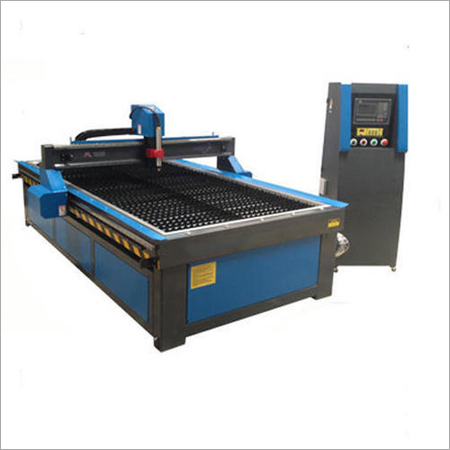
Tell us about your requirement

Price:
Quantity
Select Unit
- 50
- 100
- 200
- 250
- 500
- 1000+
Additional detail
Mobile number
Email

More Products in CNC Stone Engraving Machines Category
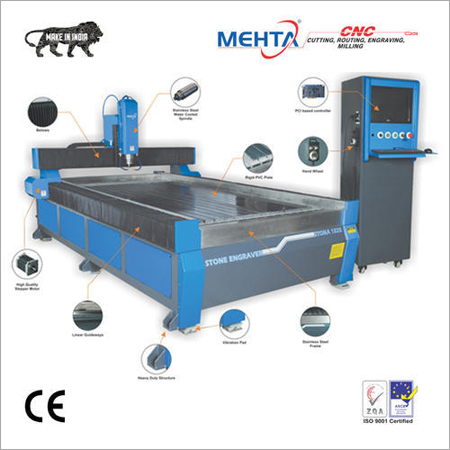
CNC Engraver Machine Stona 1325
Price 750000.00 INR / Unit
Minimum Order Quantity : 1 , , Unit
Bar Feeder : No
Capacity : Sheet Material Upto 150 mm thick
Rigidity : High
Power Consumption : 3.5 kW
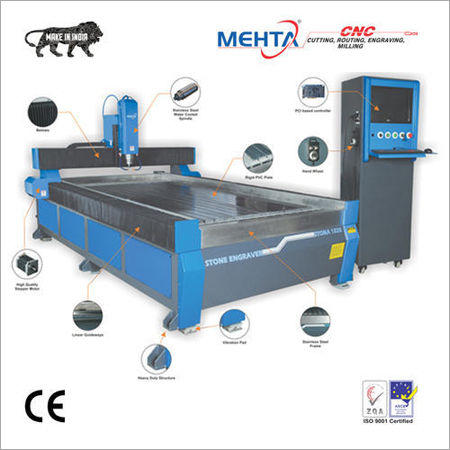
CNC Stone Engraving Machine
Price 750000.00 INR / Unit
Minimum Order Quantity : 1 Unit
Bar Feeder : Other, Not Included
Capacity : Continuous Operation
Rigidity : High
Power Consumption : 35 kW
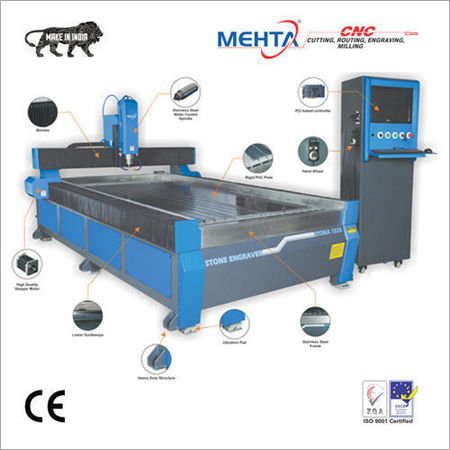
Cnc Stone Engraving Machine
Price 750000.00 INR / Unit
Minimum Order Quantity : 1 Unit
Bar Feeder : Other, Not Included
Capacity : Up to 1000 kg
Rigidity : Other, High Rigidity Structure
Power Consumption : 4.5 kW
CNC Plasma Cutting Machine PL 1325
Price 1100000.00 INR / Unit
Minimum Order Quantity : 1 , , Unit
Bar Feeder : No
Capacity : Up to 20 mm (Mild Steel)
Rigidity : High
Power Consumption : 8.5 kW

Contact Us

- Plot No. 3, Road No. 1, Kathwada GIDC,Ahmedabad - 382430, Gujarat, India
- Phone : 08045803818
MEHTA CAD CAM SYSTEMS PVT. LTD.
GST : 24AACCM4397B1ZO
GST : 24AACCM4397B1ZO

- Ms Juli (Marketing Coordinator)
- Mobile : 08045803818
- mktg@mehtaindia.com

Our Products
- CNC Engraving Machines
- Fiber Laser Cutting Machine
- Laser Welding Machine
- Laser Engraving Machine
- Flex Printer Machine
- Fiber Laser Marking Machine
- CNC Channel Letter Bending Machine
- UV Flat Bed Printer
- Solvent Printing Machine
- Co2 Laser Engraving Machine
- Fiber Laser Metal Cutting Machine
- CNC Stone Engraving Machines
- Carving Machine
- Solvent Printer Machine
- Eco Solvent Printer
- CNC Plotter Machine
- Cnc Router Machine
- UV Roll to Roll Printer
- Cutting Machines
- Laser Cutting Machine
- Cnc Plasma Cutting Machine
- Laser Metal Cutting Machine
- Mdf Laser Cutting Machine
- Acrylic Laser Cutting Machine
- Direct Textile Printer
MEHTA CAD CAM SYSTEMS PVT. LTD.
All Rights Reserved.(Terms of Use)
Developed and Managed by Infocom Network Private Limited.
Developed and Managed by Infocom Network Private Limited.

